

©Ruedi Walti
Assignment
The total number of workplaces for train traffic management was increased from twelve to nineteen. Due to the limited space in the central signal box, operations had to be relocated, making the construction of a temporary facility necessary.
Urban Context
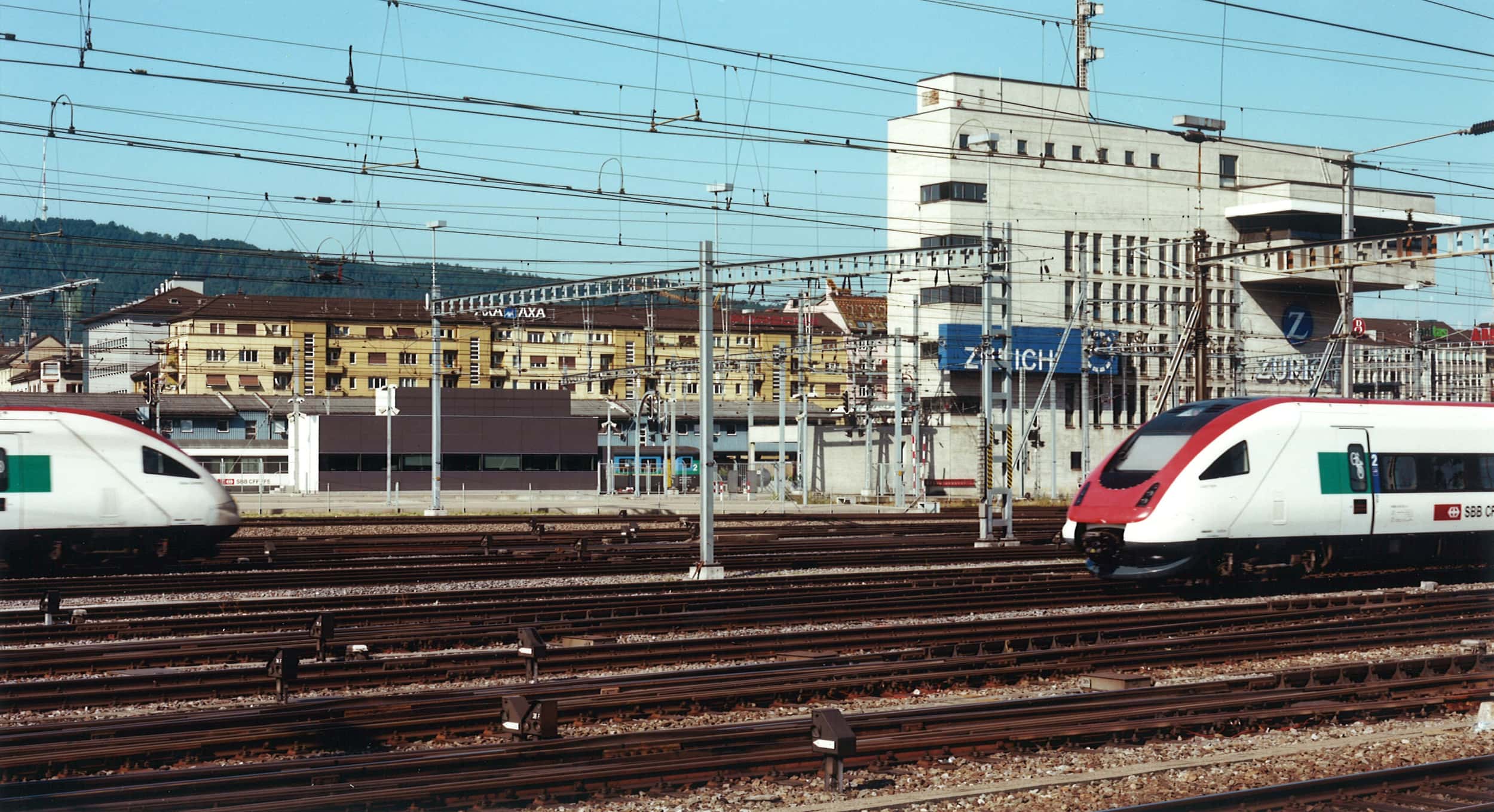
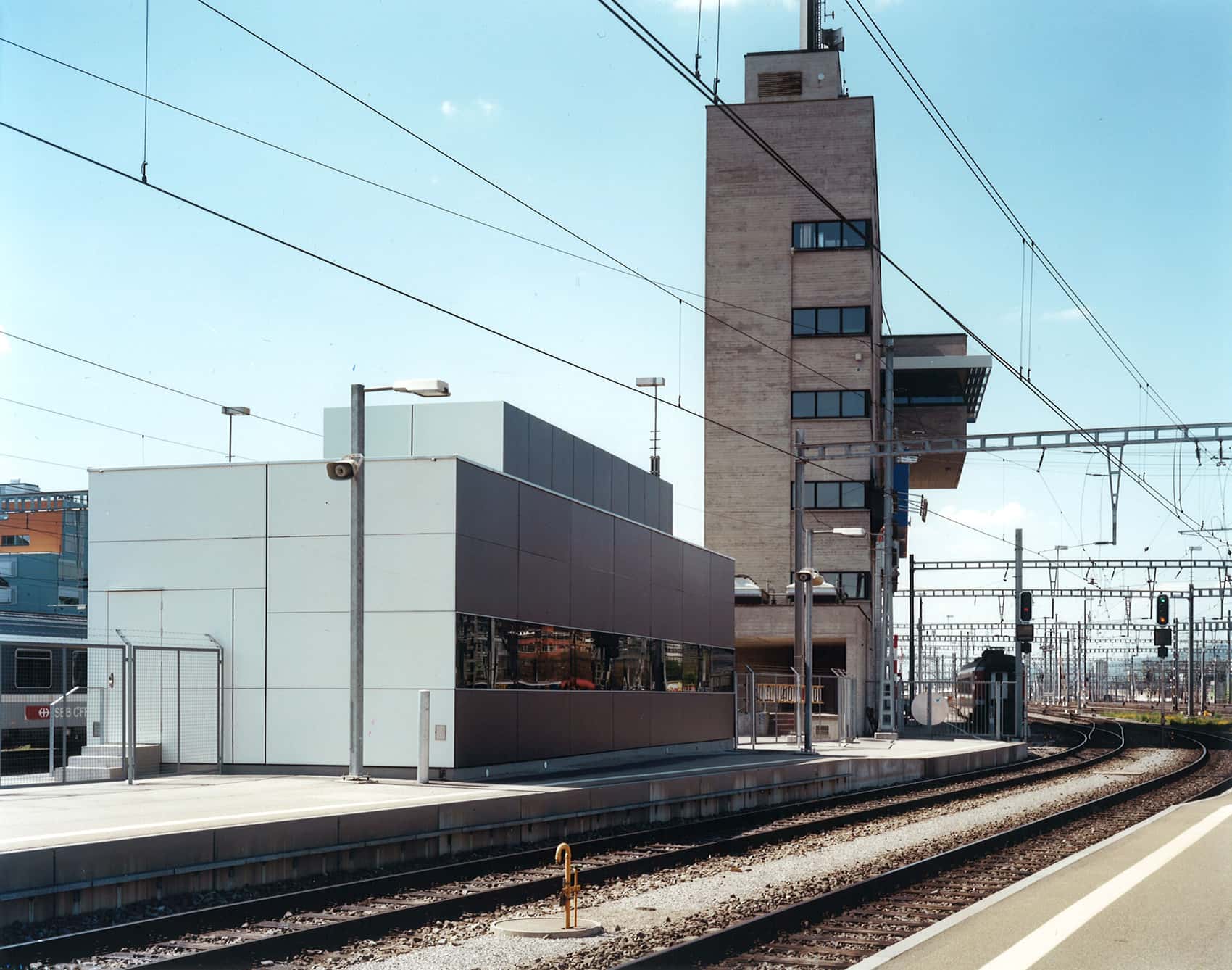
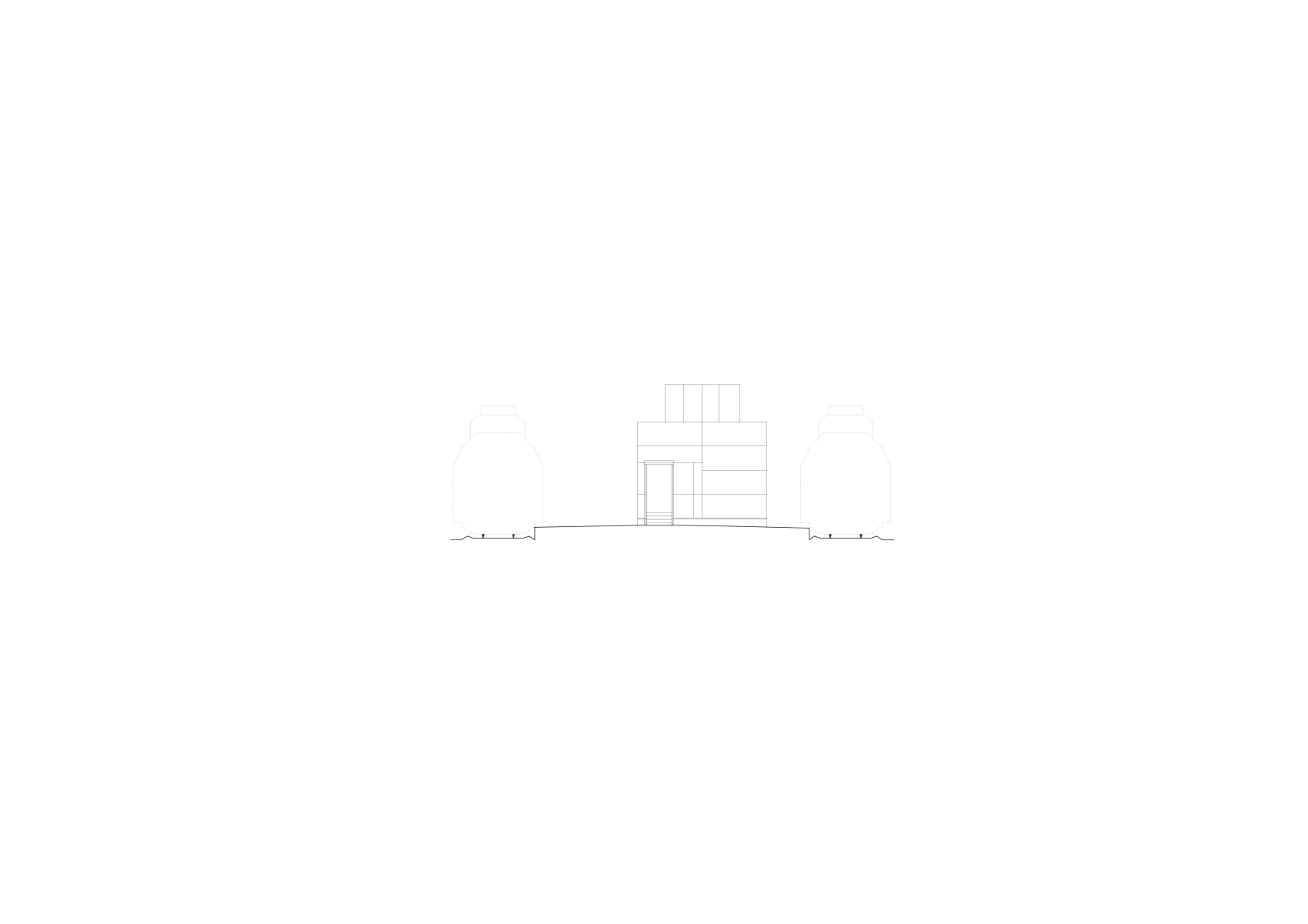
The immediate proximity to the central signal box is determined by the required intervention time of 15 minutes in case of malfunction. The building dimensions are defined by the geometry of the platform.
Program
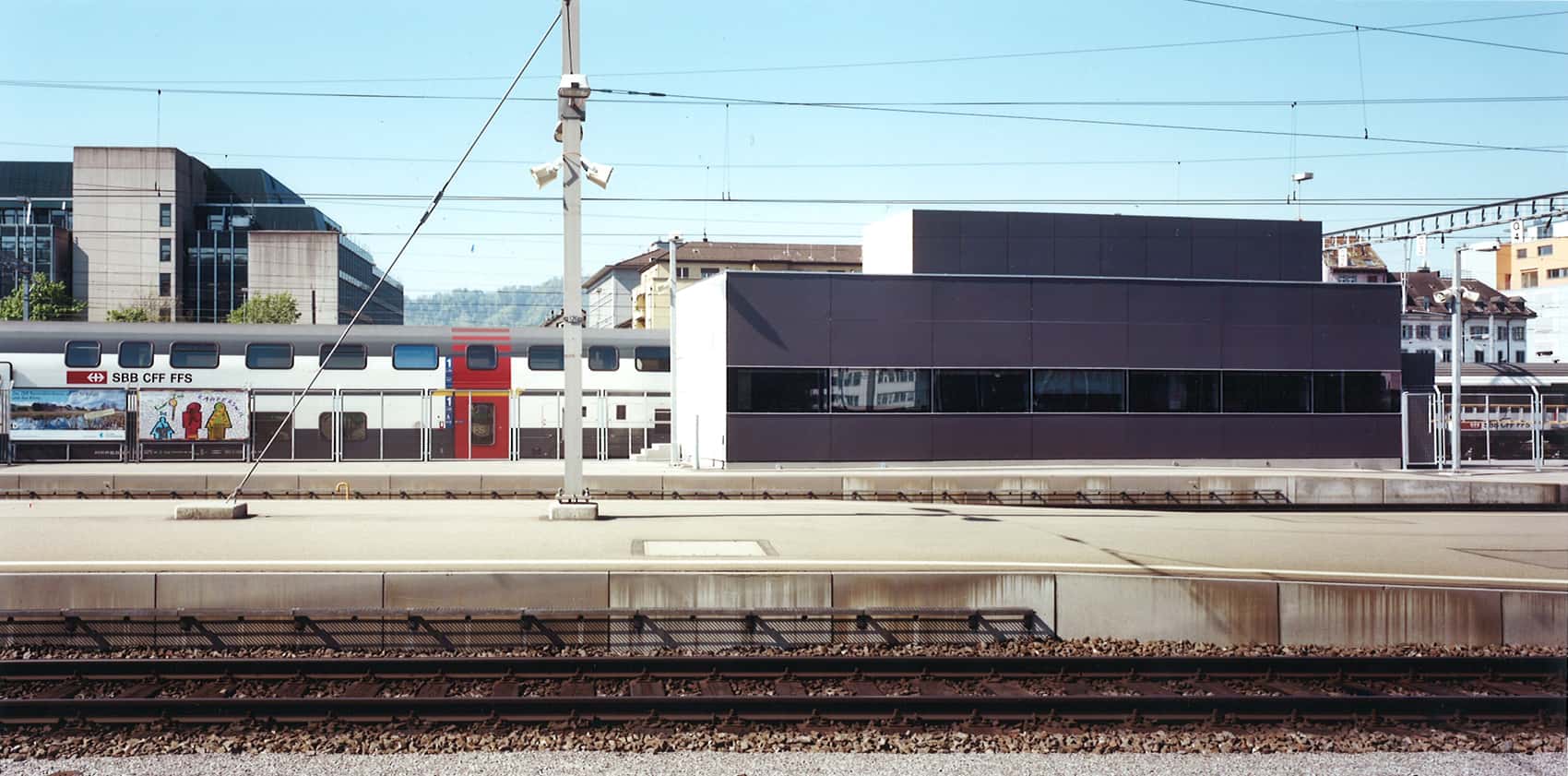
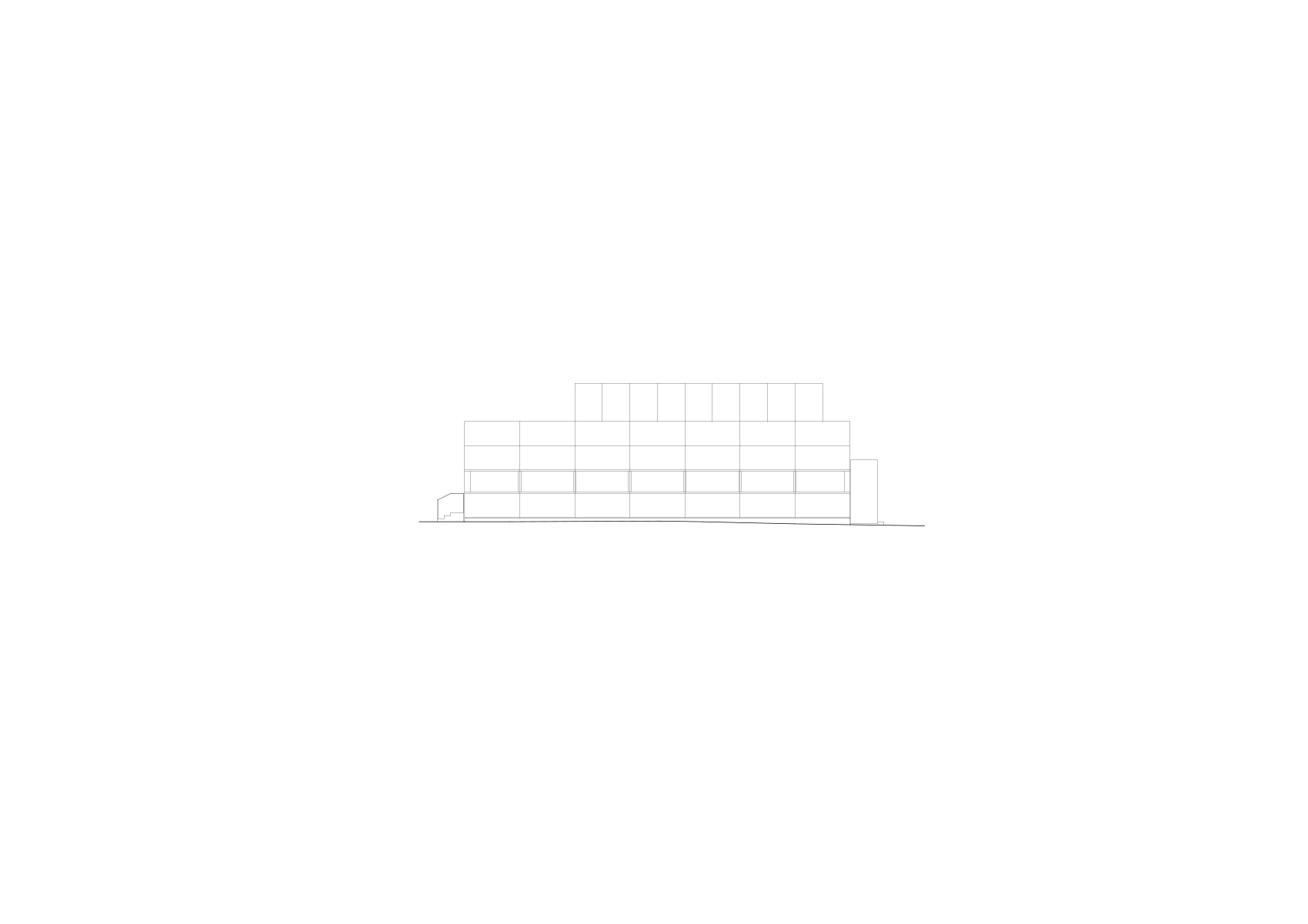
The office and server room are evenly lit by a north-facing ribbon window. Access is provided via a volumetrically articulated stairway on the northwest side. A second entrance from the southeast also serves as an emergency exit.
Architecture
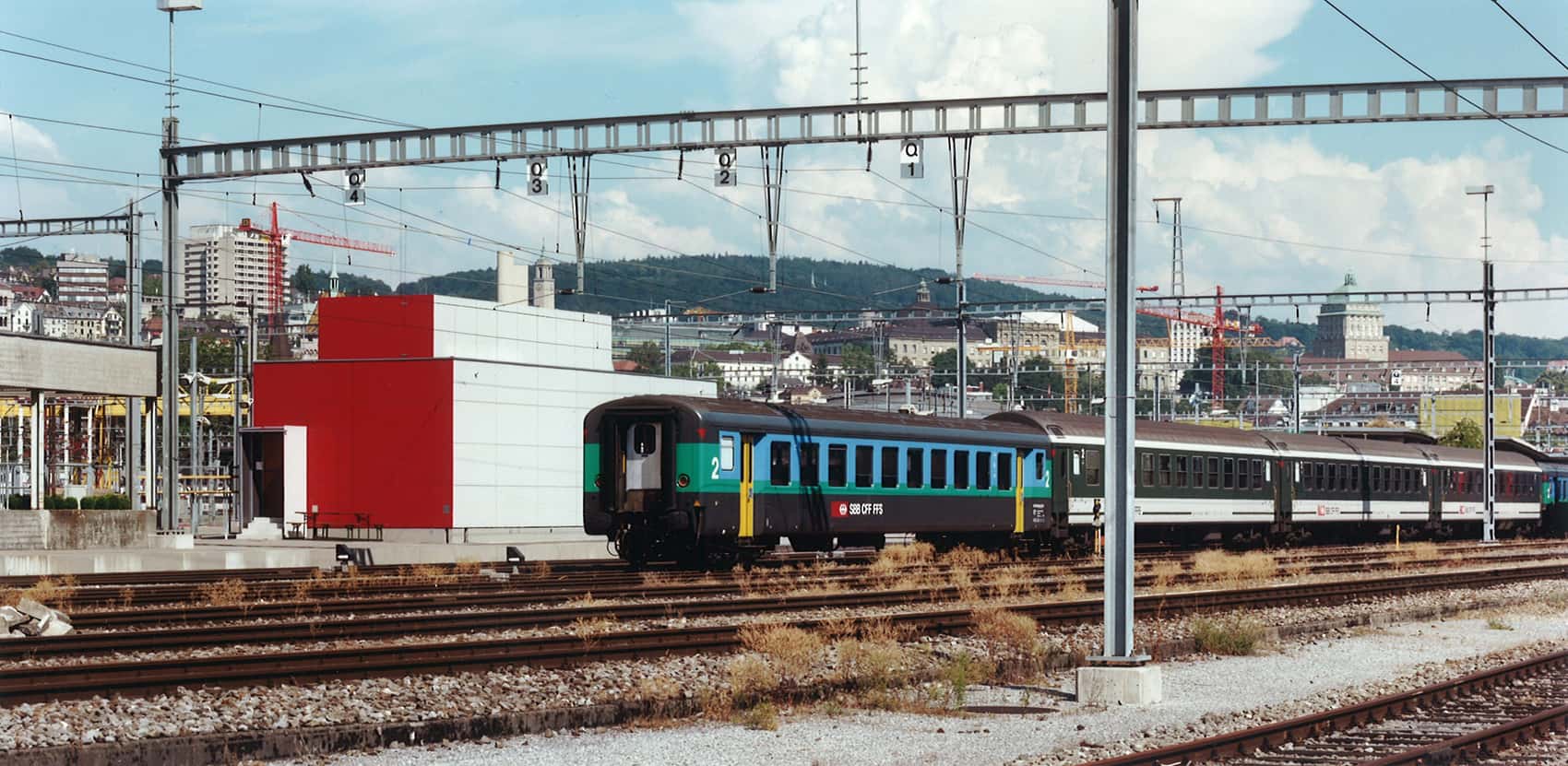
The building was constructed as a timber element structure. Each façade has its own distinct color and texture. The technical equipment is placed as a separate volume on the roof, clad in the same material as the façades.
Architecture / Design Firm:
Dürig AG, Zurich; Jean-Pierre Dürig, Andreas Coquelin, Bruce A. Buckingham
Planning Team:
Site supervision
Kosten / Bauleitung: Caretta + Weidmann AG, Zurich; Carmelo Hochstrasser
HVAC engineer
Fachplanung HLKSE: Amstein + Walthert AG, Zurich; Peter Lüthi, Roger Inderbitzin
Structural engineer (Civil engineer)
Bauingenieur: MWV Bauingenieure AG, Baden; Edward Witta
Acoustics
Raumakustiker / Schallschutz -Berater: Bakus Bauphysik & Akustik GmbH, Zurich; Suzanne Eich di Biase