













TEGMARK, Bucharest
Architecture:
DÜRIG AG, Zurich
Jean-Pierre Dürig, Guillermo Dürig, Tommaso Giovannoli, Marina Rosa, Alice Bidorini, Tonko Bonkovic, Sangmin Kim, Carolina Vanni
Local architecture 1:
SPOA: Shinpyong Organization for Architecture, Seoul
Local architecture 2:
POSCO A&C, Seoul
Landscape Design:
Studio Vulkan Landschaftsarchitektur, Zurich
Local Landscape Design:
HEA, Seoul
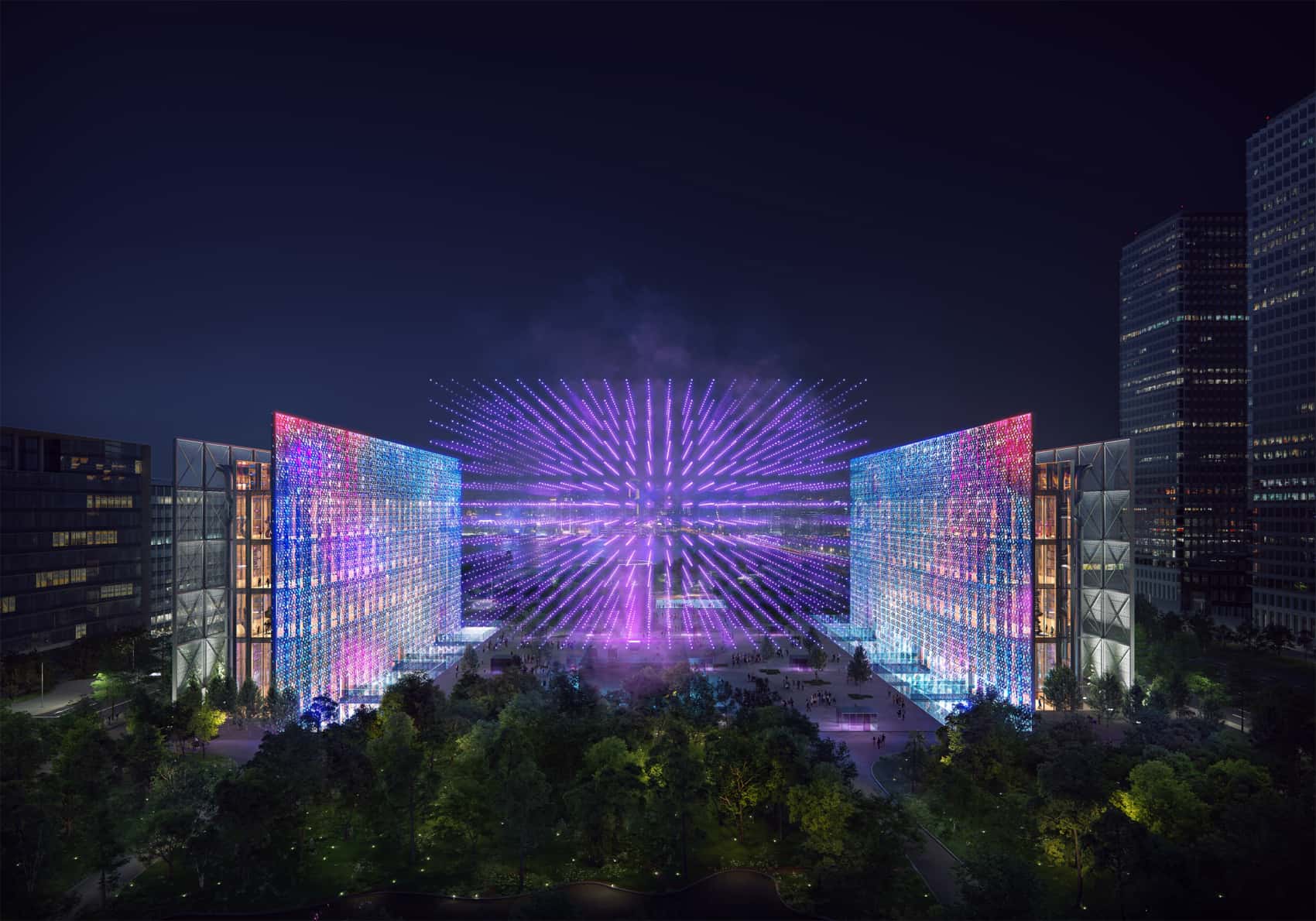
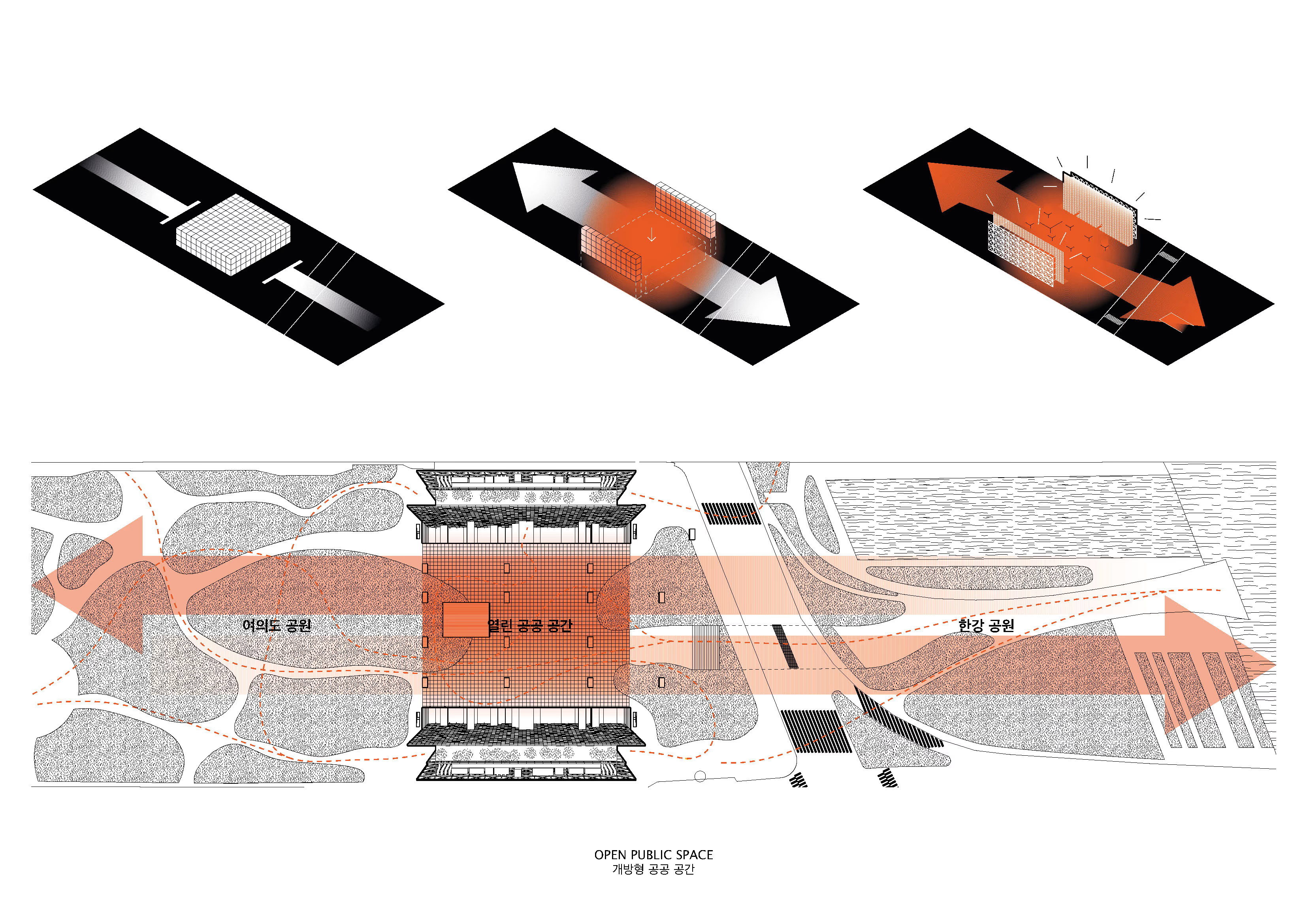
The proposal for the new Sejong Center in Yeouido envisions a cultural landmark for Seoul that emerges not as a solitary object, but as a seamless union of city, park, river, and public life. It introduces a new typology of cultural icon—open, ecological, and deeply integrated with its environment instead of a solitary monument.
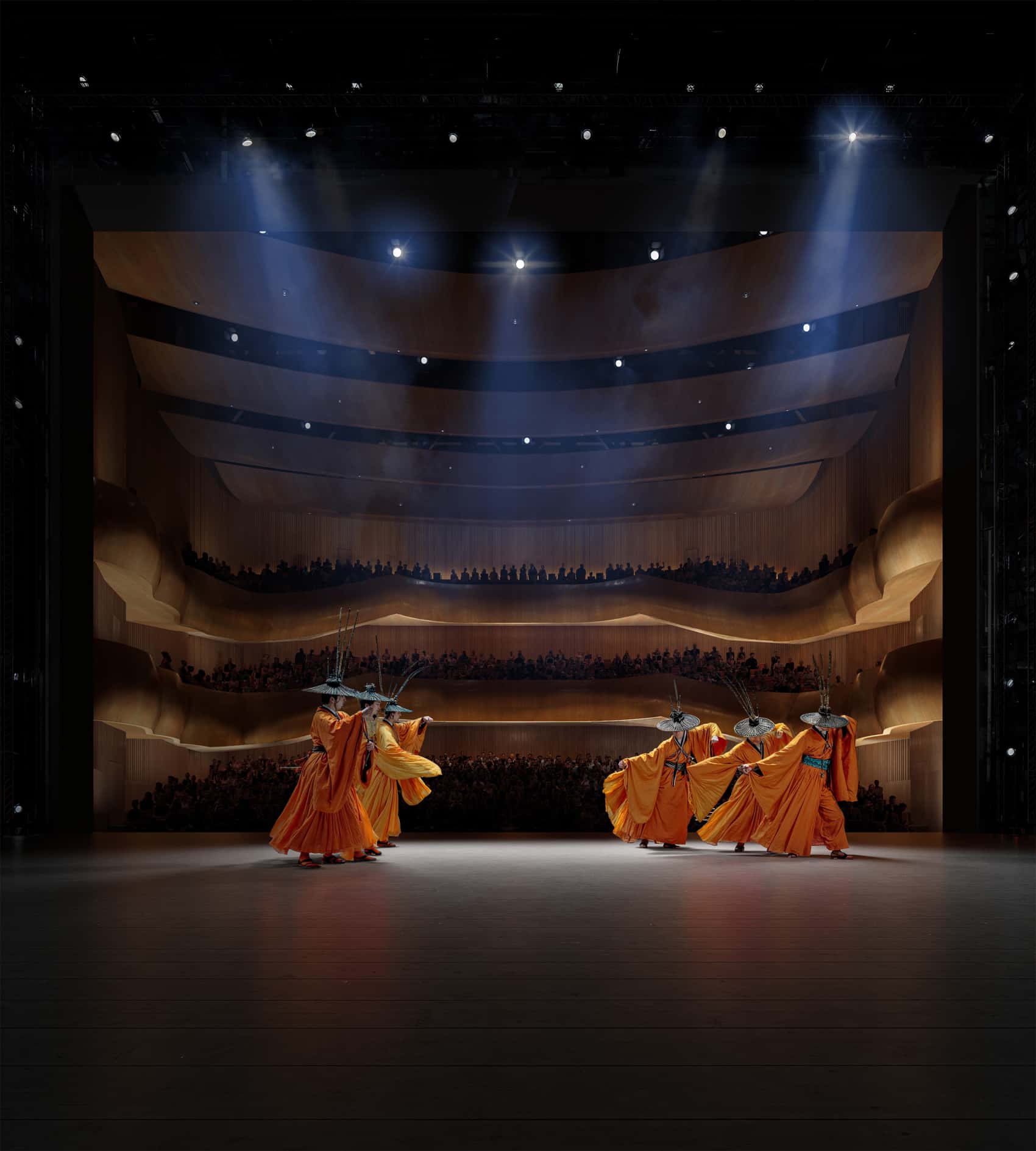
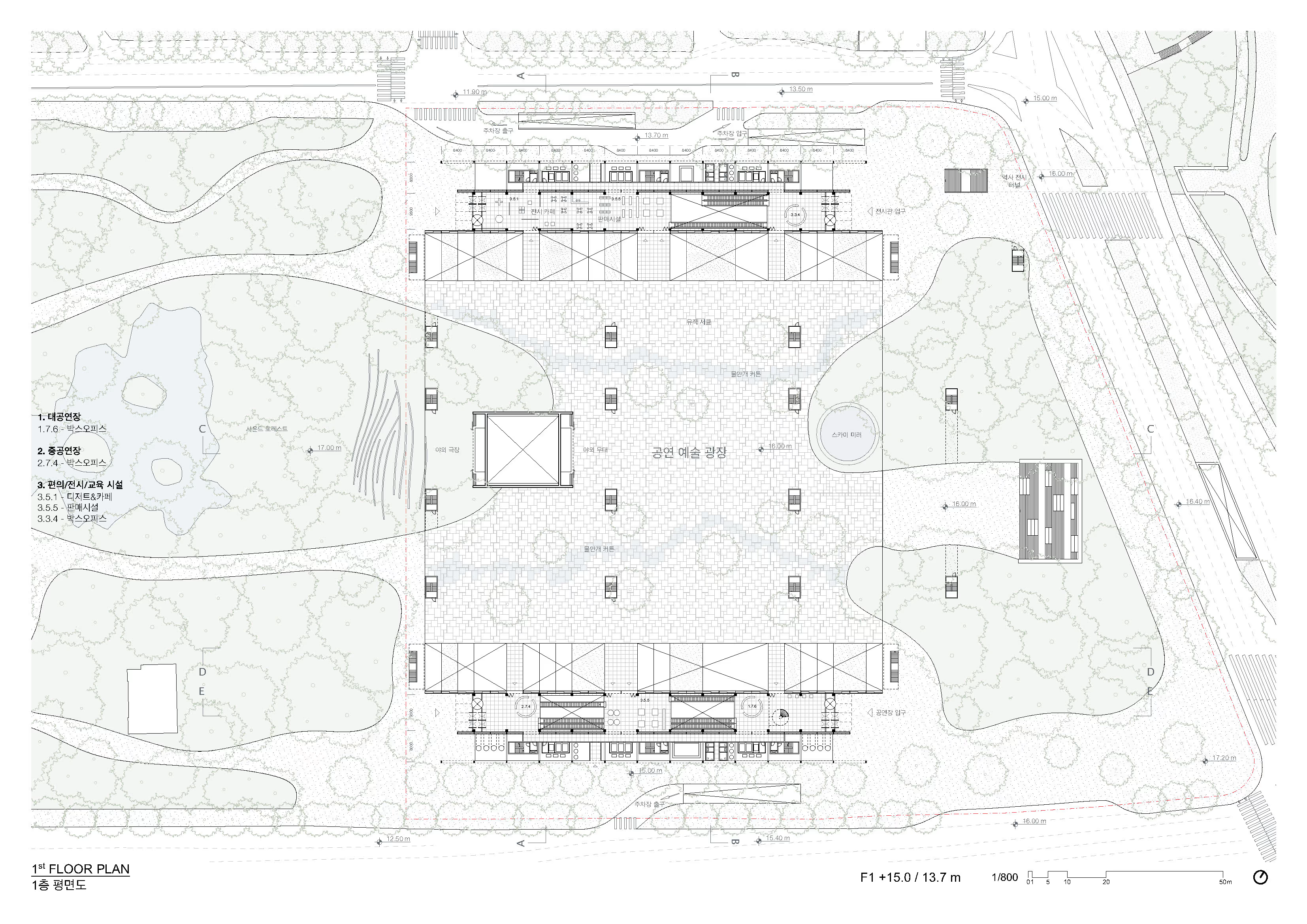
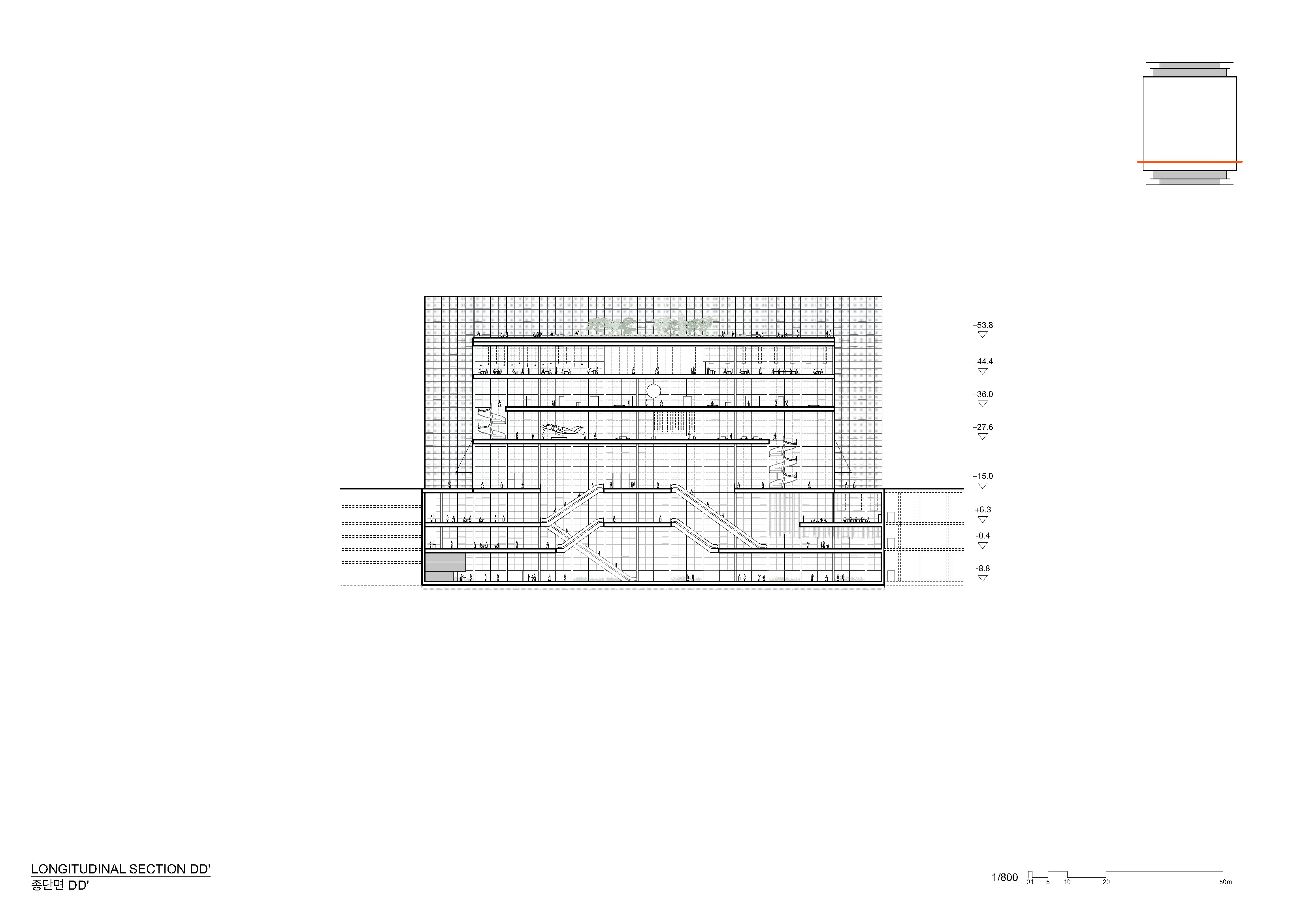
Rather than imposing on the landscape, the project reinforces Yeouido’s identity as a Cultural Park, preserving and expanding the existing green axis that links the city to the Hangang River. The main performance halls and exhibition spaces are placed below ground, allowing the park to flow unobstructed across the site. Above, a sequence of publicly accessible spaces unfolds — exhibitions, restaurants, and panoramic rooftop gardens overlooking the river and skyline — transforming the building into a multilayered civic landscape that invites exploration, gathering, and cultural exchange.
At the heart of the project lies a central plaza — a public stage where daily life, spontaneous performance, and large cultural events converge. By day, it offers shade, greenery, and openness; by night, the architecture becomes a canvas for digital art, holographic projection, and immersive light performances, blurring the boundaries between technology and nature. Performances from the halls can be broadcast live onto the plaza’s screens, turning the outdoor space into a shared cultural forum. In this way, art becomes accessible to all — not reserved for a select audience inside — reinforcing the project’s ambition as a democratic and truly public cultural institution.
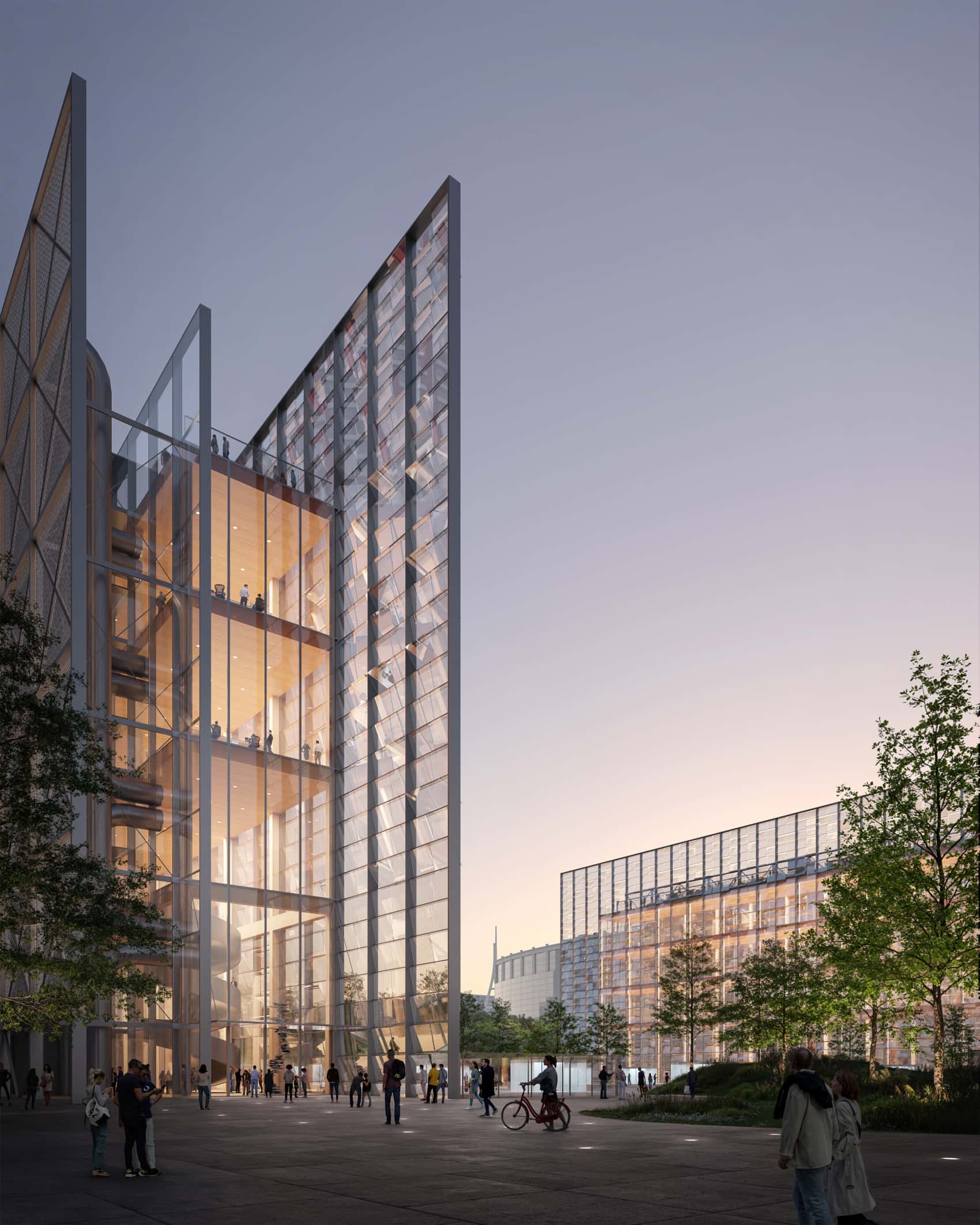
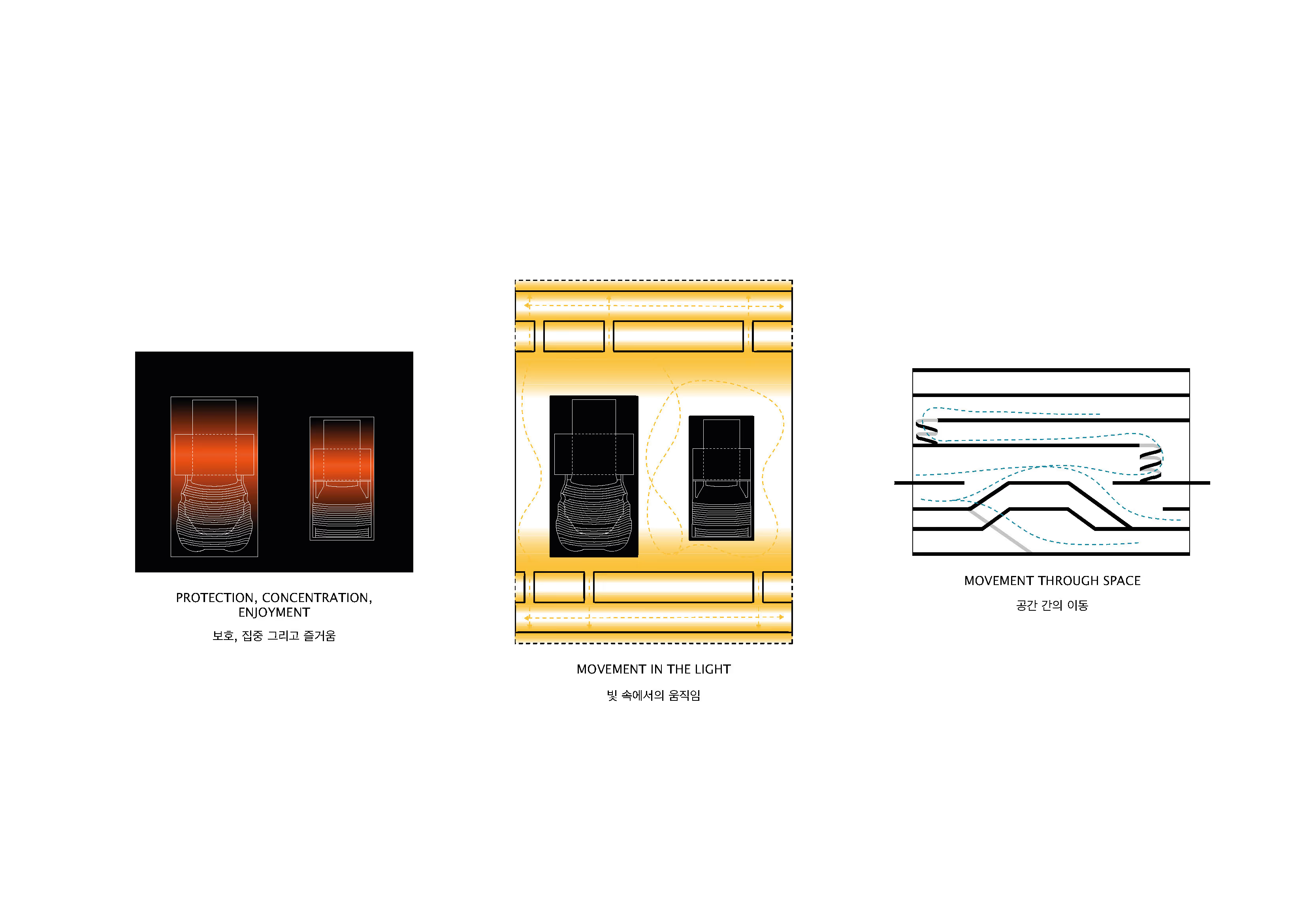
Movement itself becomes part of the architectural experience. Transparent foyers dissolve the threshold between inside and outside, diagonal flows choreograph circulation, and vertical cuts of light guide visitors gradually into performances and exhibitions. Descending below ground becomes a gradual shift in atmosphere, focusing attention and preparing visitors for the performance. Publicness extends in all directions: from the ground floor into the sky gardens above, and into the cultural world below.
Wood, as part of Korea’s heritage of timber construction and craftsmanship, is reintroduced as a contemporary and renewable building strategy. Combined with passive climate strategies, shared systems, and efficient building performance, the project establishes a cultural building that is both environmentally responsible and rooted in local knowledge.
The 2nd Sejong Center becomes a civic platform, where culture unfolds both indoors and under the open sky. Performances broadcast onto the plaza extend the arts into daily life, making them visible, accessible, and shared.
Park and building become one — a new kind of landmark shaped by gathering, performance, and nature. A landmark defined not by form, but by openness, belonging, and shared civic experience.